Signs Your Home’s Electrical System Isn’t Up to Westchester County Code
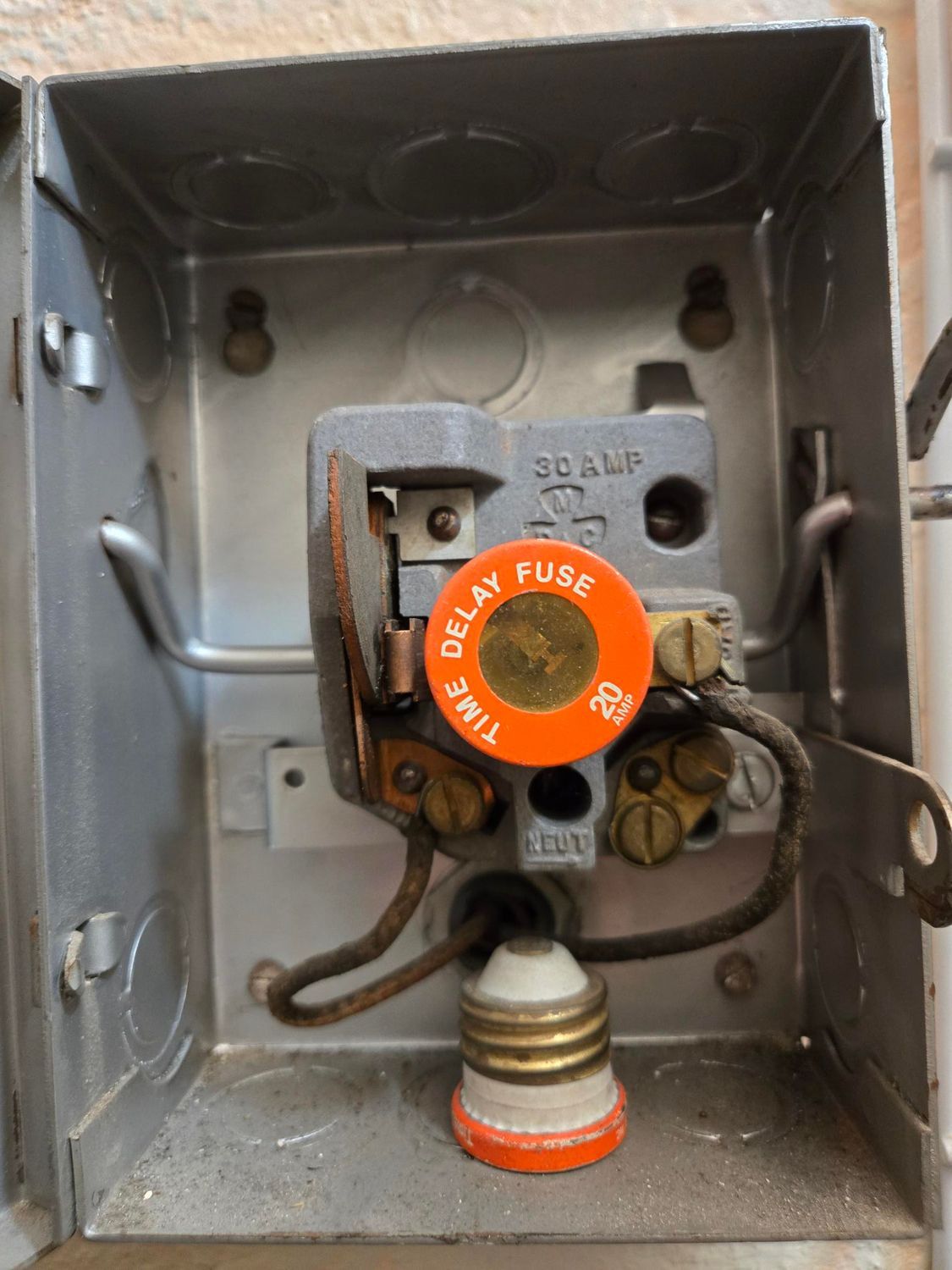
Westchester County is home to many beautiful older houses — but age often brings outdated electrical systems. If your home’s wiring or electrical components don’t meet current New York State and local codes, it can create safety risks and lead to problems during inspections, renovations, or home sales.
Knowing the warning signs of an out-of-code electrical system can help you address issues before they become costly or dangerous.
Below are some of the most common signs your home’s electrical system may not be up to code.
Frequent Tripped Breakers or Blown Fuses
Circuit breakers that trip often — or fuse boxes that regularly blow fuses — are a strong indicator that your system has electrical issues.
Many older Westchester homes were not designed to handle today’s electrical demands, including:
- Central air conditioning, Heat pumps, Geo-thermal systems
- Modern kitchen appliances
- Home offices and entertainment systems
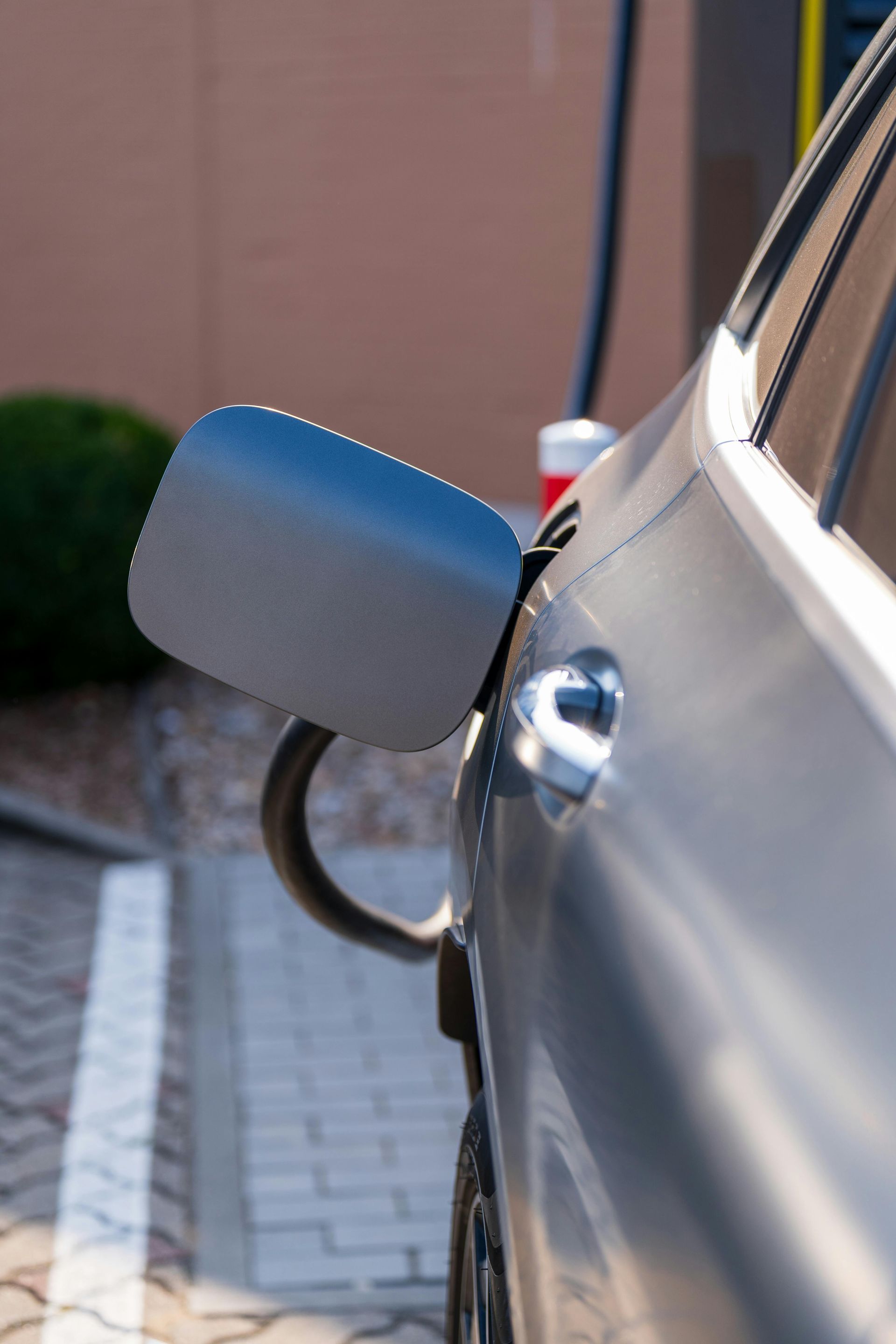
- EV charging
Current electrical codes require properly sized circuits and panels to safely support modern power usage.
Outdated Wiring Types
Some older wiring systems no longer meet modern electrical safety standards. Common examples found in Westchester County homes include:
- Knob-and-tube wiring
- Aluminum wiring
- Ungrounded wiring
These systems can increase the risk of electrical fires and often fail home inspections. A licensed electrician can evaluate your wiring and recommend safe, code-compliant upgrades.
AFCI circuit breakers are now today’s minimum standard.
Two-Prong Outlets or Missing GFCI Protection
If your home still has two-prong outlets, it likely lacks proper grounding — a key requirement under current electrical codes.
Additionally, modern codes require GFCI (Ground Fault Circuit Interrupter) protection in areas such as:
- Kitchens
- Bathrooms
- Garages
- Basements
- Outdoor outlets
- New appliances:
- Electric dryers
- Ranges
- Cooktops
- Ovens
- Outdoor HVAC equipment
Missing or improperly installed GFCI outlets are a common code violation in older homes.
Flickering Lights or Inconsistent Power
Lights that flicker, dim, or buzz may indicate:
- Loose wiring connections
- Overloaded circuits
- Failing electrical components
These issues are not just inconvenient — they can signal code violations or potential safety hazards that should be addressed by a professional electrician.
Warm, Discolored, or Sparking Outlets
Outlets or switches that feel warm, show discoloration, or spark when used are serious warning signs. These conditions often point to:
- Improper wiring
- Overheating circuits
- Loose or damaged connections
Modern electrical codes are designed to prevent these risks, and any of these signs should be inspected immediately.
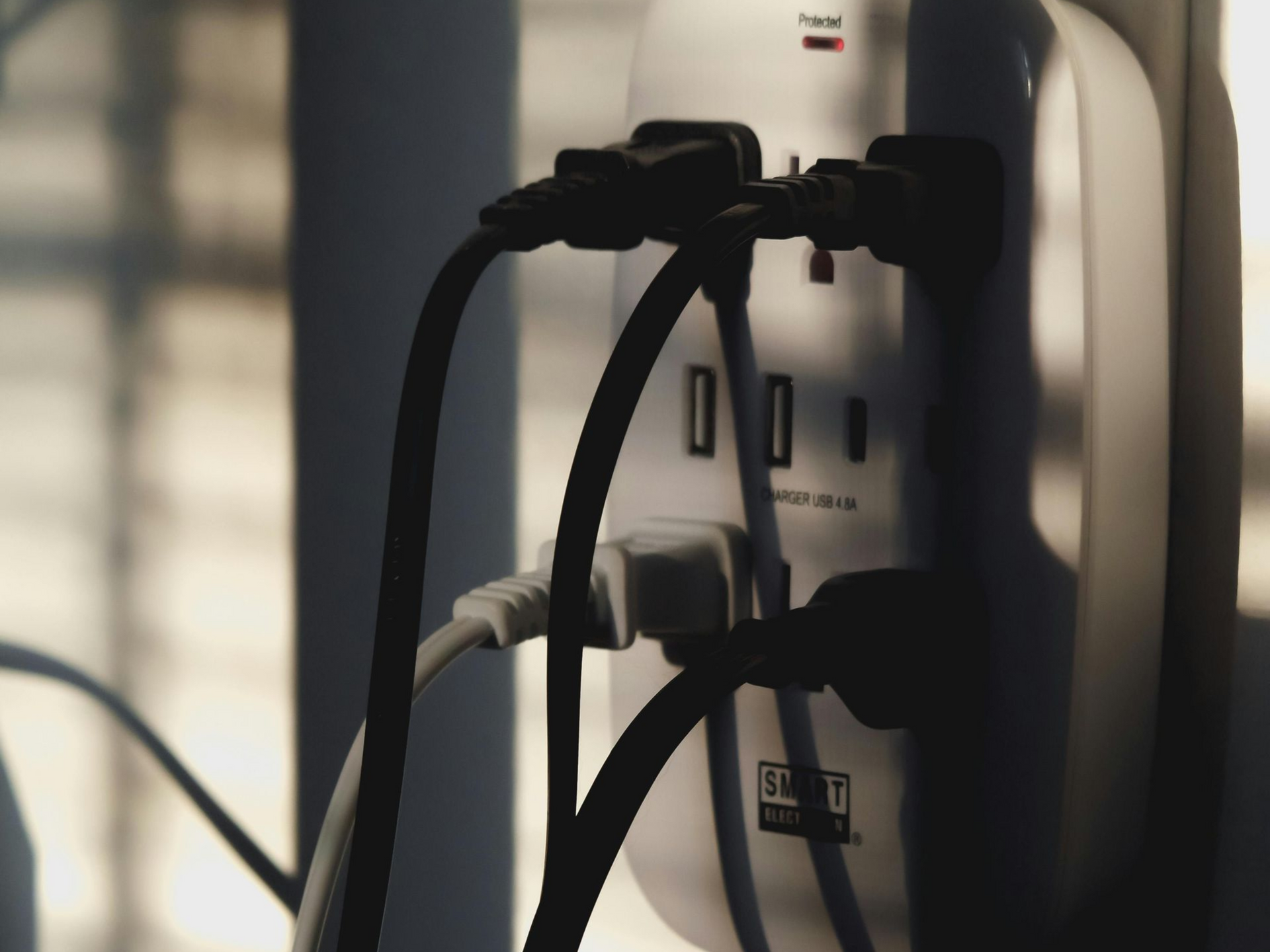
Overuse of Extension Cords and Power Strips
Relying on extension cords or power strips throughout your home may indicate that your electrical system doesn’t provide enough outlets or circuits.
Current codes require adequate outlet placement to reduce fire hazards and improve safety. Installing additional outlets or dedicated circuits can bring your home up to code and improve convenience.
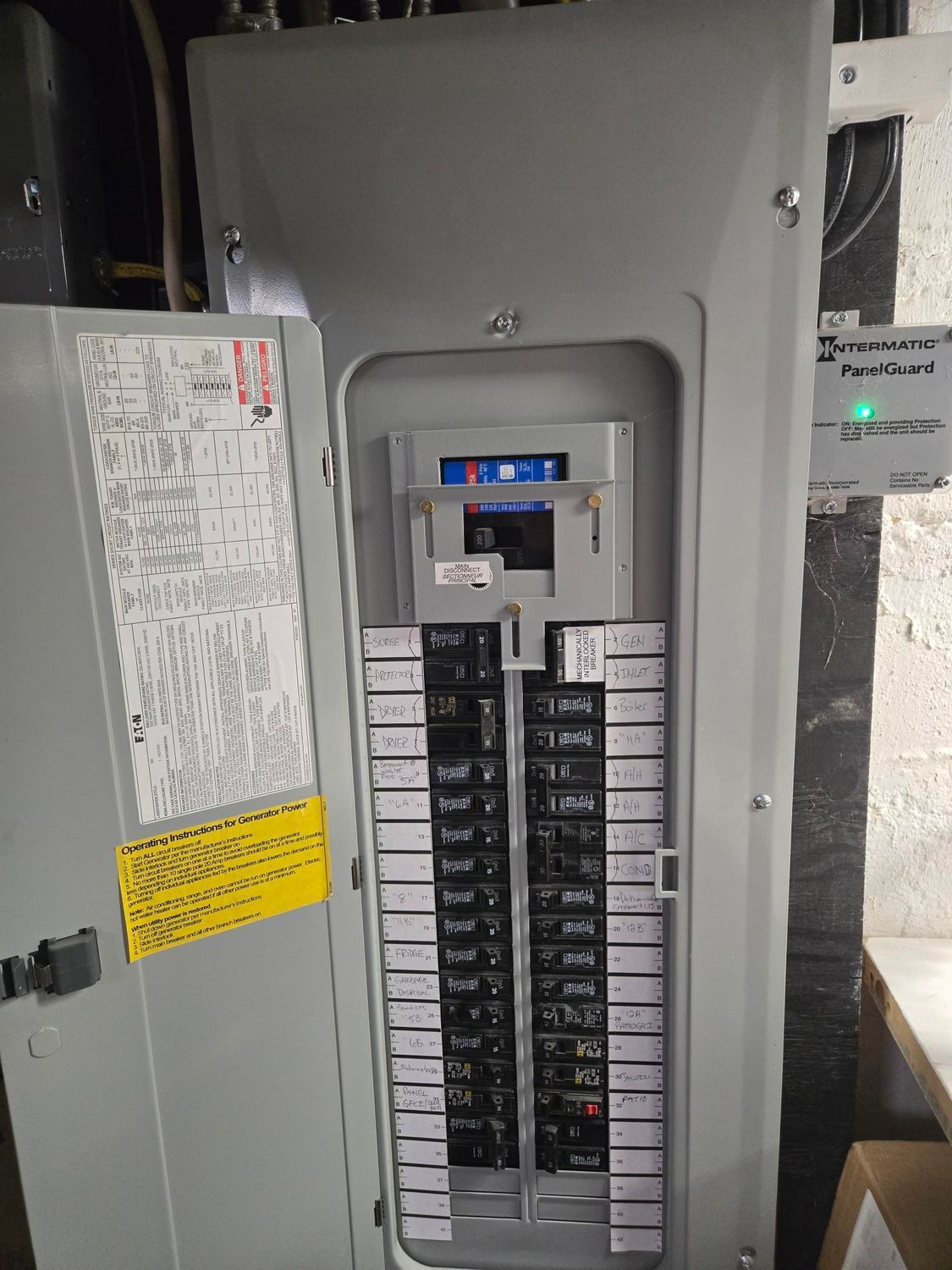
Your Electrical Panel Is Outdated or Undersized
Older electrical panels — especially 60-amp or 100-amp panels — may not meet current code requirements for modern homes.
Signs your panel may be out of code include:
- Lack of available breaker space
- Rust or corrosion
- No clear labeling
- A fuse box instead of circuit breakers
Many Westchester homes benefit from upgrading to a 200, 400, or more-amp electrical panel to meet today’s safety standards.
Schedule a Professional Electrical Inspection
If you suspect your home’s electrical system isn’t up to code, a professional inspection can provide clarity and peace of mind.
A licensed Westchester County electrician can:
- Identify code violations
- Recommend safe, cost-effective upgrades
- Ensure your home meets current electrical standards
Contact Keating Electric and Technology if you have any questions or to schedule an electrical inspection and keep your home safe and compliant.