Is Your Westchester Home Ready for an EV Charger?
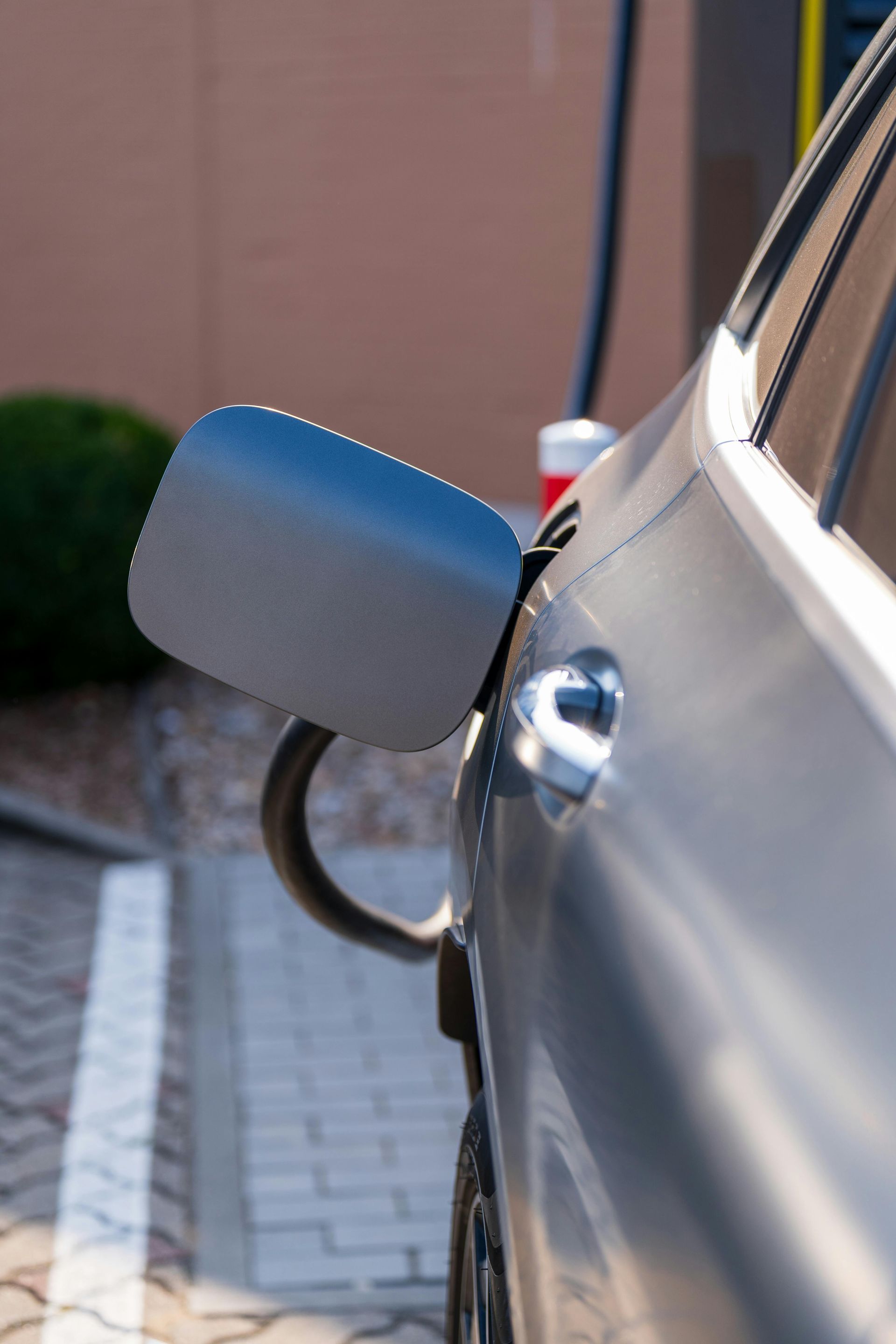
Electric vehicles (EVs) are becoming increasingly popular across Westchester County, and for good reason—lower fuel costs, reduced emissions, and convenient at-home charging.
Here’s what homeowners in Westchester need to know before making the switch.
Understanding EV Charger Types
There are three main types of EV chargers, but most homeowners will utilize Level 1 or Level 2:
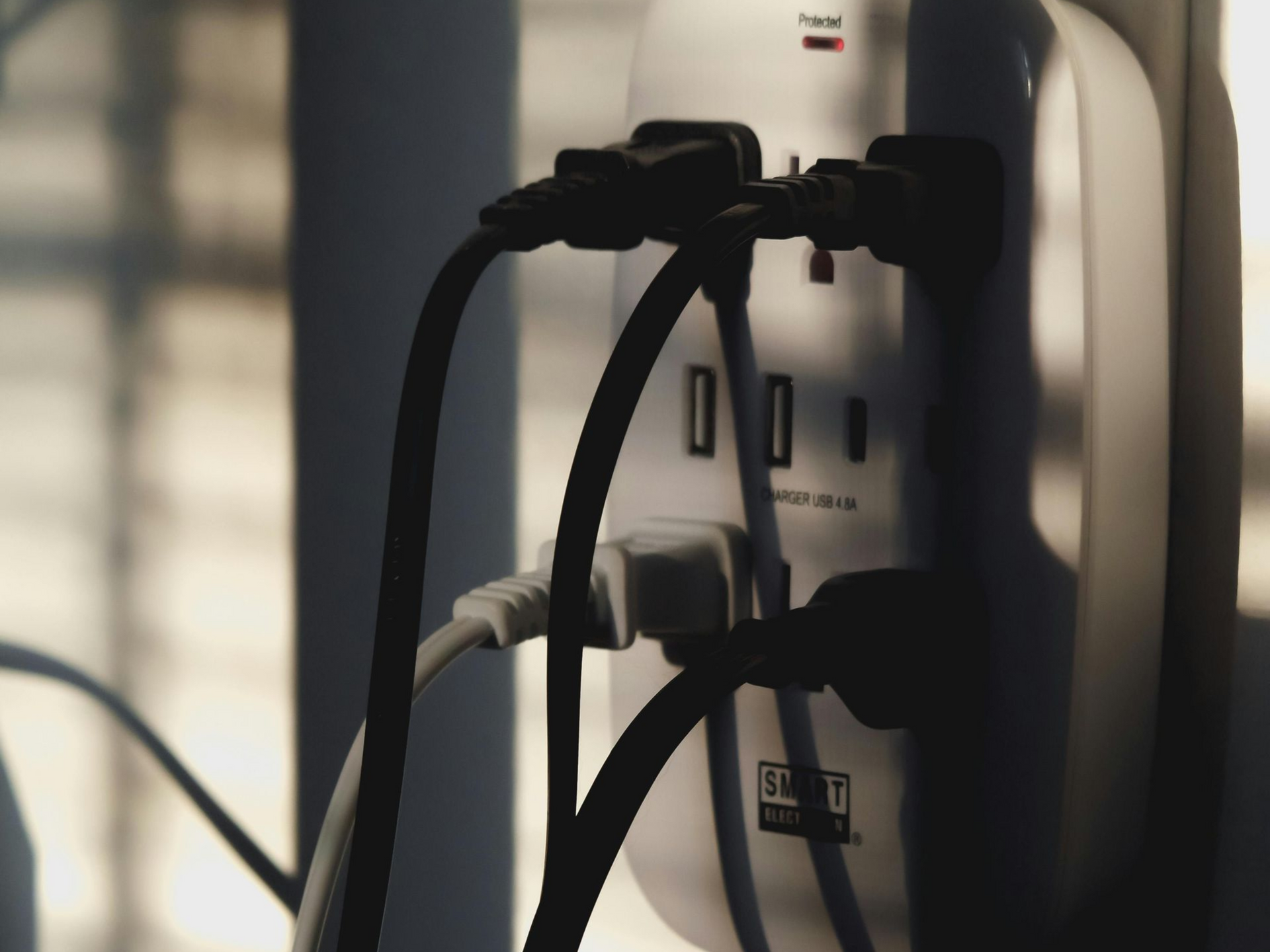
- Level 1 Chargers plug into a standard 120-volt outlet. They’re slow, typically adding 3–5 miles of range per hour.
- Level 2 Chargers use a 240-volt circuit (similar to a dryer or oven) and can add 20–60 miles of range per hour—making them the preferred option for home use.
For most households, installing a Level 2 charger is the goal even if your electrical system isn’t ready to handle the additional load.
Is Your Electrical Panel Up to the Task?
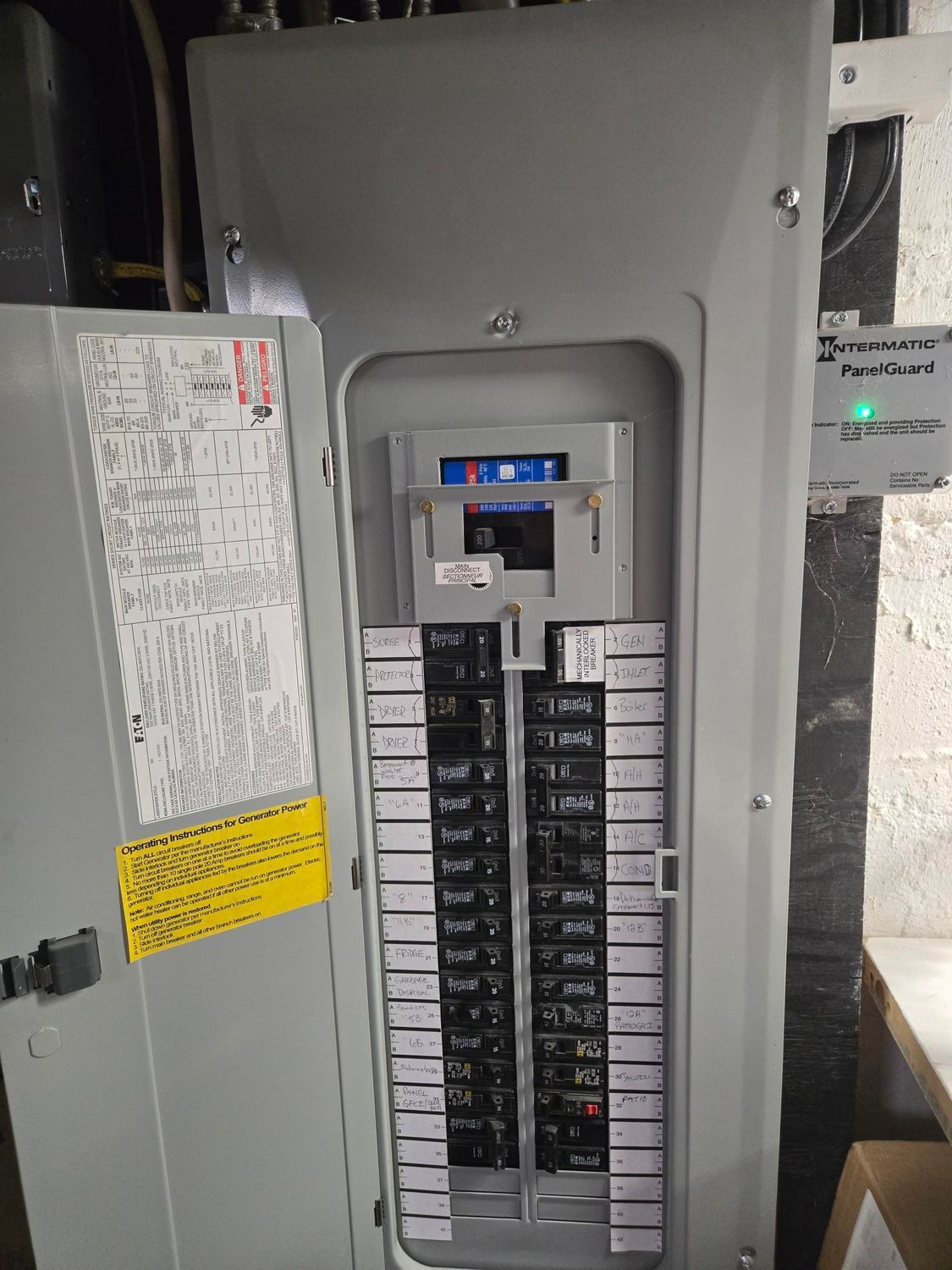
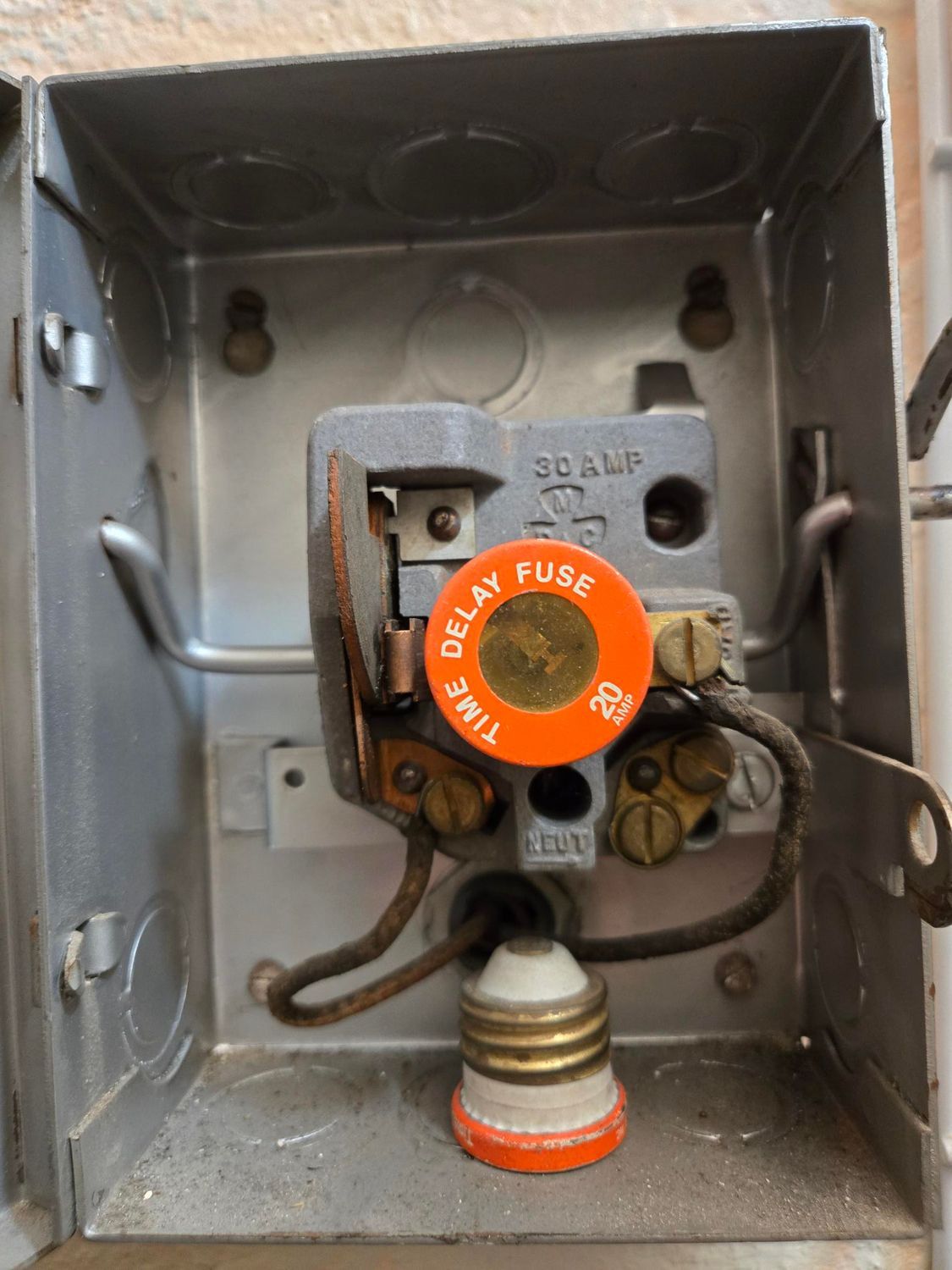
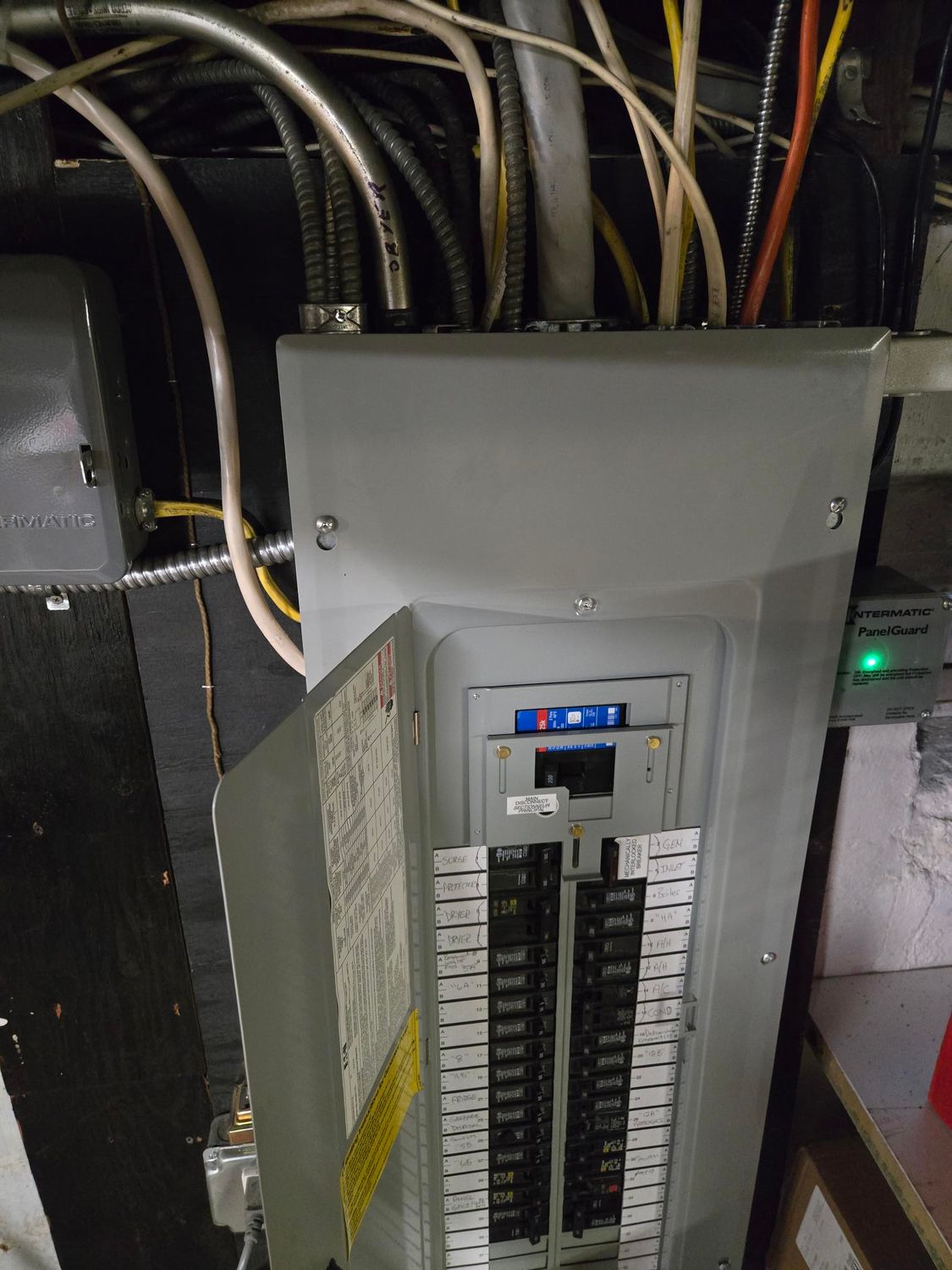
Your home’s electrical panel is the heart of your electrical system. Older homes in Westchester were not designed with modern electrical needs in mind, however many have already been upgraded and are ready to handle the extra load.
A professional electrician will evaluate:
- Panel capacity (amperage): Most homes need at least 200 amps to comfortably support an EV charger along with existing loads.
- Available breaker space: You’ll need room for a dedicated circuit.
- Overall electrical load: Appliances, HVAC systems, and other high-demand devices all factor into whether your system can handle more.
If your panel is outdated or maxed out, an upgrade may be necessary before level 2 EV charger installation.
Do You Have the Right Wiring and Infrastructure?
Beyond the panel, your home’s wiring must also support a Level 2 charger. Key considerations include:
- Distance from panel to charger location: Longer runs may require heavier gauge wiring.
- Garage vs. outdoor installation: Outdoor chargers require weatherproof equipment and proper mounting.
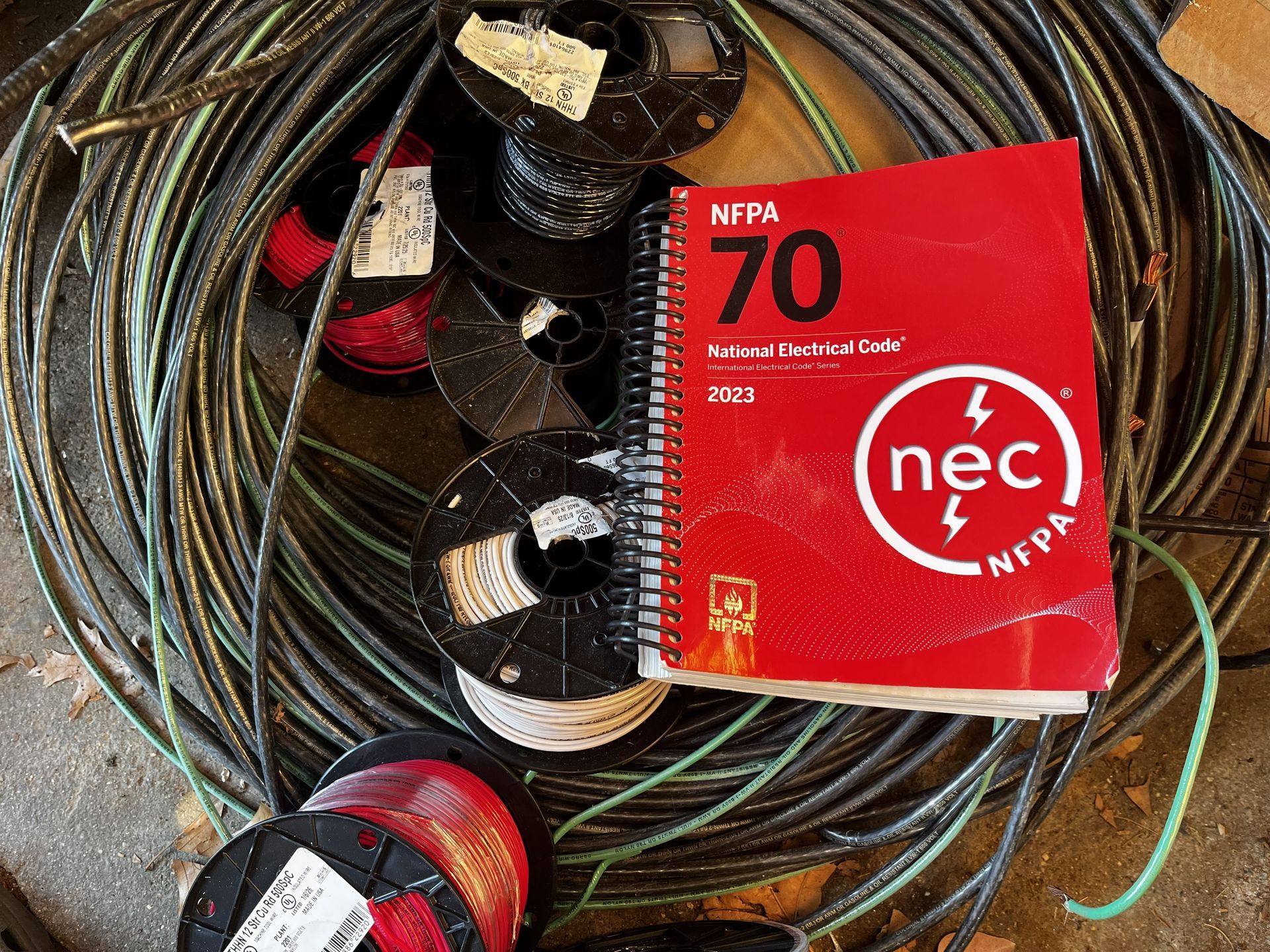
- Permits and code compliance: Local codes in Westchester County must be followed, including permits and inspection requirements.
An experienced electrician ensures everything is installed safely and up to code, ensuring safety, convenience and increased home value.
Smart Charging and Load Management
Even If your panel is close to capacity, you may not need a full upgrade. Modern solutions like load management systems can:
- Automatically balance electricity usage
- Prevent overloads by adjusting charging speed
- Allow EV charging without major panel upgrades
These systems are becoming a popular option for Westchester homeowners looking to save on upfront costs.
Costs to Consider
The cost of installing an EV charger can vary based on your home’s setup:
- Basic installation: $1000–$1,500
- Panel upgrades: $4,000–$5,000+
- Permits and inspections: Vary by municipality
While this may seem like a significant investment, federal and New York State incentives may help offset costs.
Why Professional Installation Matters
EV chargers draw significant power, and improper installation can lead to:
- Electrical fires
- System overloads
- Code violations
- Voided warranties
Hiring a licensed electrician ensures your system is safe, efficient, and compliant with all local regulations.
Preparing Your Home for the Future
Even if you don’t own an EV yet, preparing your home now can be a smart move—especially as electric vehicles become more common in Westchester County. Upgrading your panel or pre-wiring for a charger can increase your home’s value and make future installation easier.
Installing an EV charger at home is one of the most convenient ways to support your transition to electric driving—but it starts with making sure your home is ready. A professional assessment can identify any upgrades needed and help you choose the right charging solution for your lifestyle.
If you’re considering an EV charger, consulting Keating Electric is the best first step toward a safe and efficient installation.