What Makes Commercial Electrical Work Different from Residential Projects?

Electrical systems power everything from residential homes to commercial high-rise office buildings. While building and maintaining residential and commercial electricians share core technical skills, the scope, complexity, and requirements of each differ significantly.
Understanding these differences can help business owners, property managers, and developers make informed decisions when hiring the right electrical contractor.
Scale and Complexity
The most noticeable difference between residential and commercial electrical work is scale.
Residential projects typically involve single-family homes, apartments, or small multi-unit buildings. These systems are relatively straightforward, designed to support everyday needs like lighting, appliances, and HVAC systems.
Conversely, commercial electrical systems must support far greater demands. Office buildings, retail centers, warehouses, and industrial facilities require:
- Higher voltage systems
- Extensive wiring networks
- Backup power solutions
- Specialized equipment connections
In many cases, commercial projects involve three-phase power systems, which deliver more consistent and efficient electricity for large-scale operations.
Code Requirements and Regulations
All electrical work must comply with strict safety standards, but commercial projects are subject to more complex and rigorous codes.
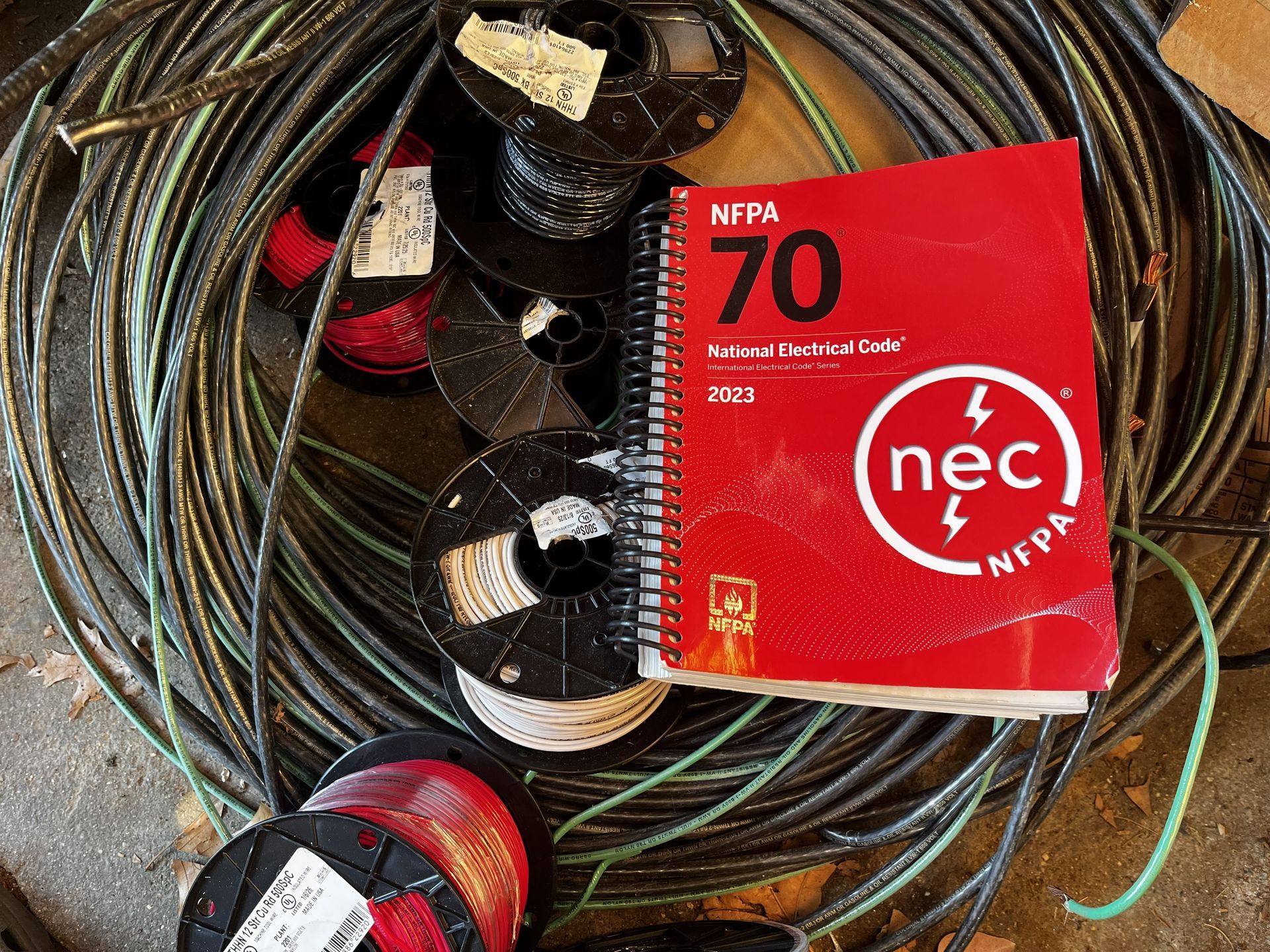
Electricians must follow the National Electrical Code (NEC), but commercial installations often include additional layers of compliance related to:
- Fire safety systems
- Emergency lighting and exit signage
- Accessibility requirements
- Energy efficiency standards
Local and state regulations can also vary, requiring experienced professionals who understand permitting, inspections, and compliance in detail.
System Design and Engineering
Unlike residential electrical systems which are generally based on standardized layouts, commercial electrical work requires detailed planning and engineering. Each system must be designed around the building’s specific function, occupancy load, and equipment needs.
For example:
- A restaurant needs dedicated circuits for kitchen equipment
- A medical facility requires clean, uninterrupted power
- A warehouse may need high-output lighting and machinery connections
This level of customization demands close coordination between electricians, architects, engineers, and project managers.
Installation Methods and Materials
The materials and installation methods used in commercial projects are typically more robust and complex.
In residential settings, wiring is often run through wood framing using non-metallic sheathed cable (Romex). Commercial environments frequently require:
- Conduit systems (EMT, PVC, or rigid metal)
- Cable trays and raceways
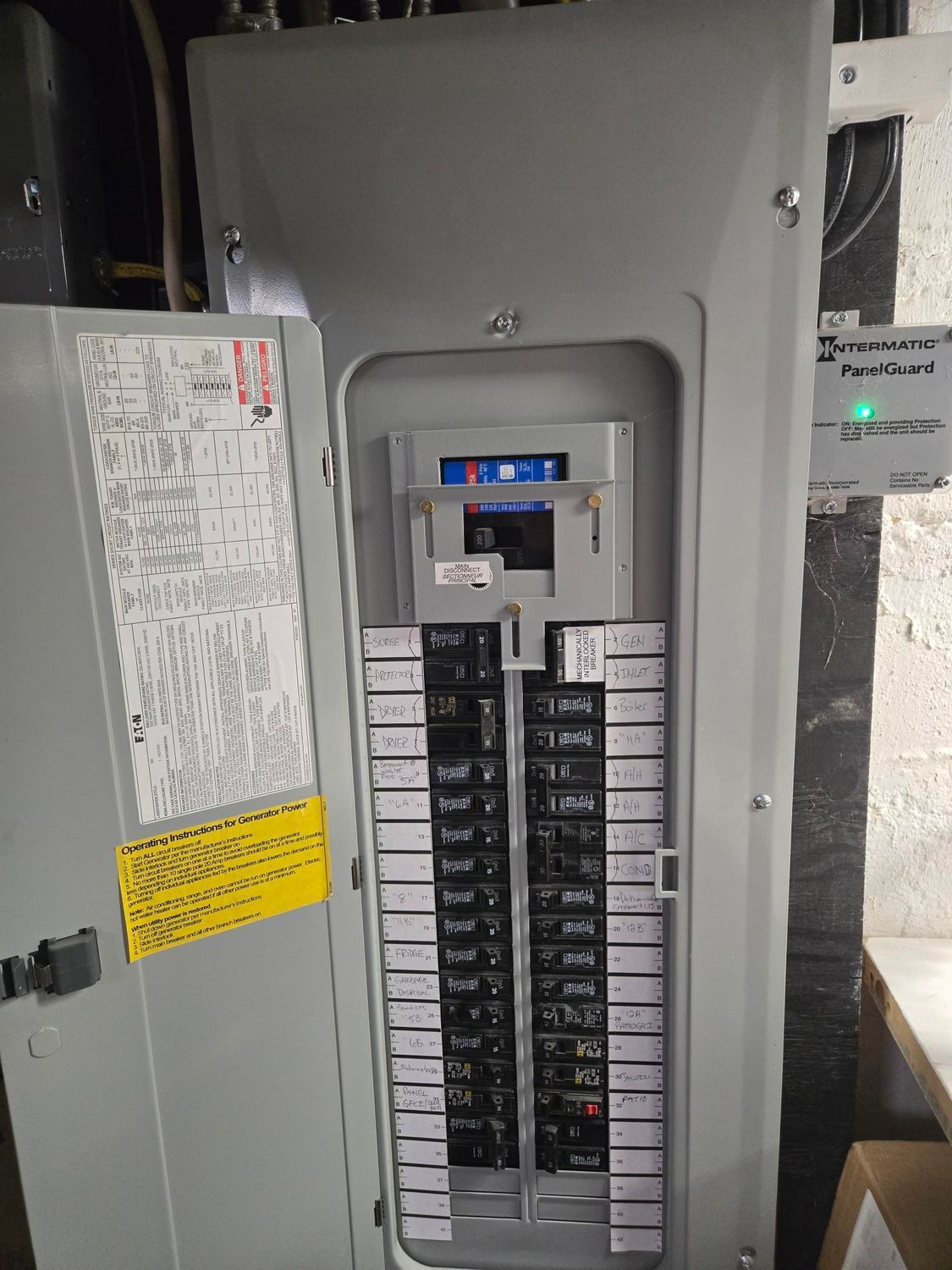
- Heavy-duty panels and switchgear
- Structured cabling for data and communications
These systems are designed for durability, scalability, and easier maintenance over time.
Safety Considerations
Safety is critical in all electrical work, but commercial environments introduce additional risks due to higher voltages, larger systems, and more people on-site.
Commercial electricians must be trained to handle:
- Lockout/tagout procedures
- Arc flash prevention
- Complex grounding systems
- Coordination with other trades on active job sites
The margin for error is smaller, and the consequences of mistakes can be more severe.
Maintenance and Service Needs
Residential electrical service is often reactive—homeowners call an electrician when something breaks or needs upgrading.
Commercial electrical service is more proactive and ongoing. Businesses rely on regular maintenance to avoid downtime, including:
- Preventative inspections
- Load testing
- System upgrades
- Troubleshooting and repairs
Downtime in a commercial setting can mean lost revenue, making reliability a top priority.
Project Timelines and Coordination
Residential projects are typically shorter and involve fewer stakeholders.
Commercial jobs often operate on tight deadlines with multiple teams working simultaneously. Electricians must coordinate with:
- General contractors
- HVAC technicians
- Plumbers
- IT and security professionals
Meeting deadlines while maintaining safety and code compliance requires strong project management and communication.
Choosing the Right Electrical Contractor
Not all electricians are equipped to handle commercial projects. Businesses should look for contractors with:
- Proven commercial experience
- Knowledge of complex electrical systems
- Familiarity with local codes and permitting
- The ability to scale with business growth
Hiring the right professional ensures your electrical system is safe, efficient, and built to support your operations long-term.
Powering Businesses Requires a Different Approach
While residential and commercial electrical work share a foundation, the differences in scale, complexity, and responsibility are substantial. Commercial projects demand advanced expertise, detailed planning, and ongoing support.
Whether you’re building a new facility, upgrading existing systems, or planning for future growth, working with Keating Electric will keep your business powered, compliant, and prepared for success.