How Electrical Codes Affect Your Home or Business
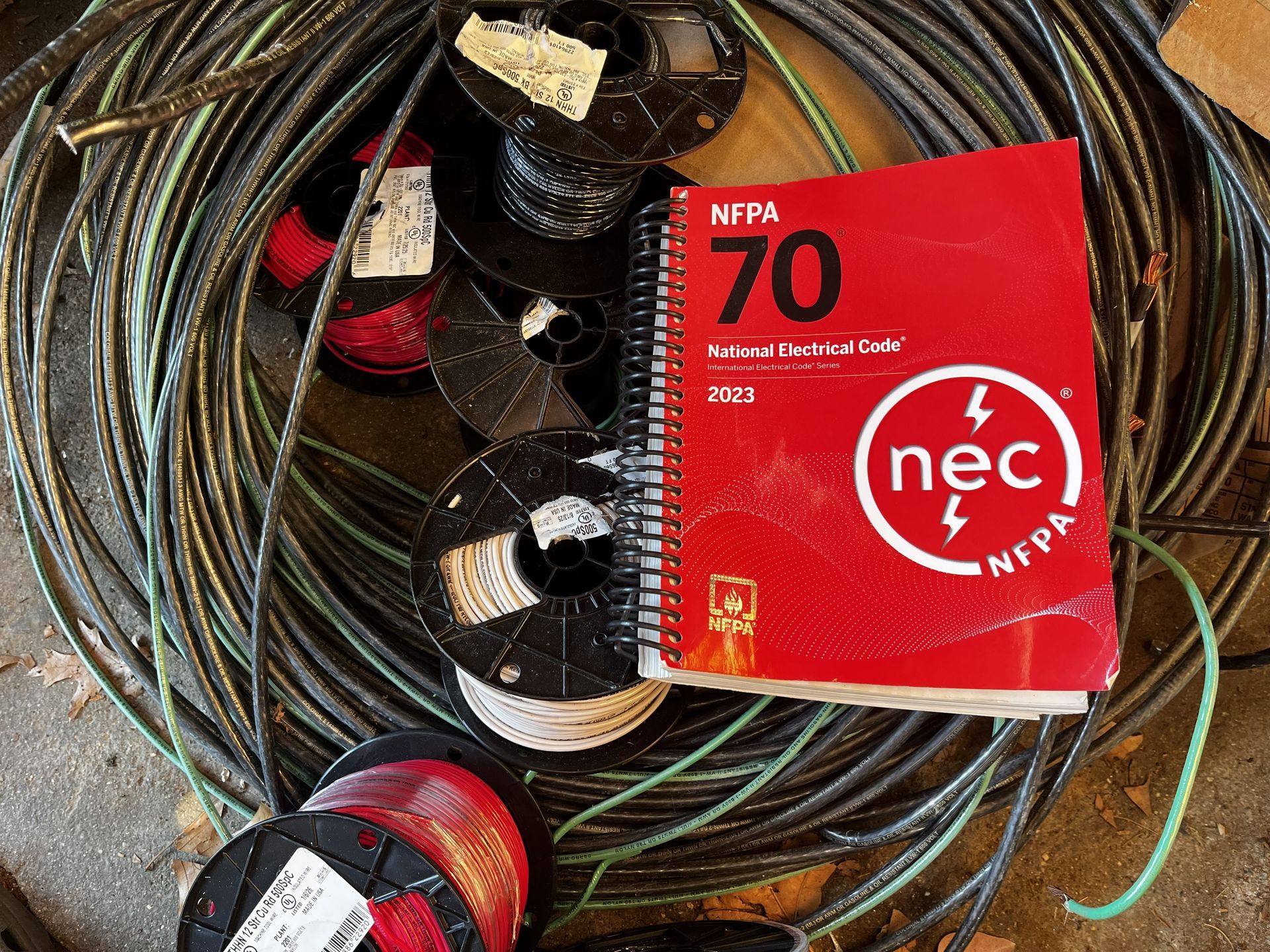
Electrical systems are the backbone of any modern property, whether it’s a home, office, retail store, or industrial facility.
What Are State Electrical Codes?
New York State follows the National Fire Protection Association’s widely recognized National Electrical Code (NEC), which is updated every three years. The NEC sets the baseline for safe electrical design, installation, and inspection.
Why Electrical Codes Matter
Electrical codes aren’t just red tape—they serve critical purposes:
- Safety: Proper wiring, grounding, and circuit protection reduce the risk of electrical fires and shock hazards.
- Reliability: Code-compliant systems are less likely to fail or cause disruptions.
- Insurance Compliance: Insurance companies often require proof that your electrical system meets current codes.
- Legal Protection: Non-compliance can lead to fines, failed inspections, or liability issues in the event of an accident.
How Codes Affect Residential Properties
For homeowners, electrical codes influence everything from small upgrades to major renovations.
Panel and Service Upgrades
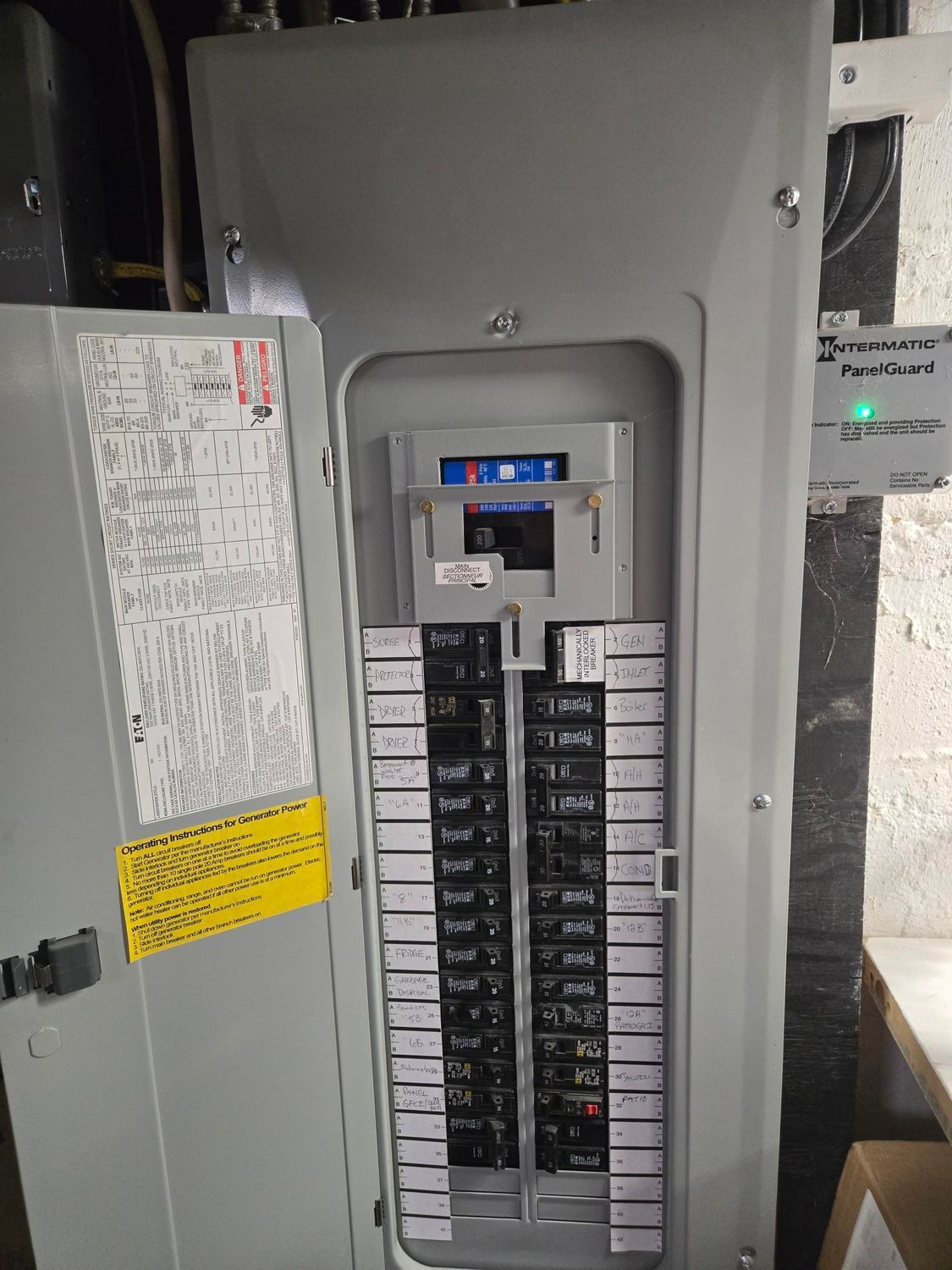
If your home still relies on an outdated electrical panel, upgrading it must meet current code requirements. This often includes proper grounding, adequate capacity, and safe circuit distribution.
Outlet and GFCI/AFCI Requirements
Modern codes require Ground Fault Circuit Interrupters (GFCIs) in areas where water is present—like kitchens, bathrooms, and outdoor spaces—and Arc Fault Circuit Interrupters (AFCIs) in many living areas to prevent electrical fires.
Wiring Standards
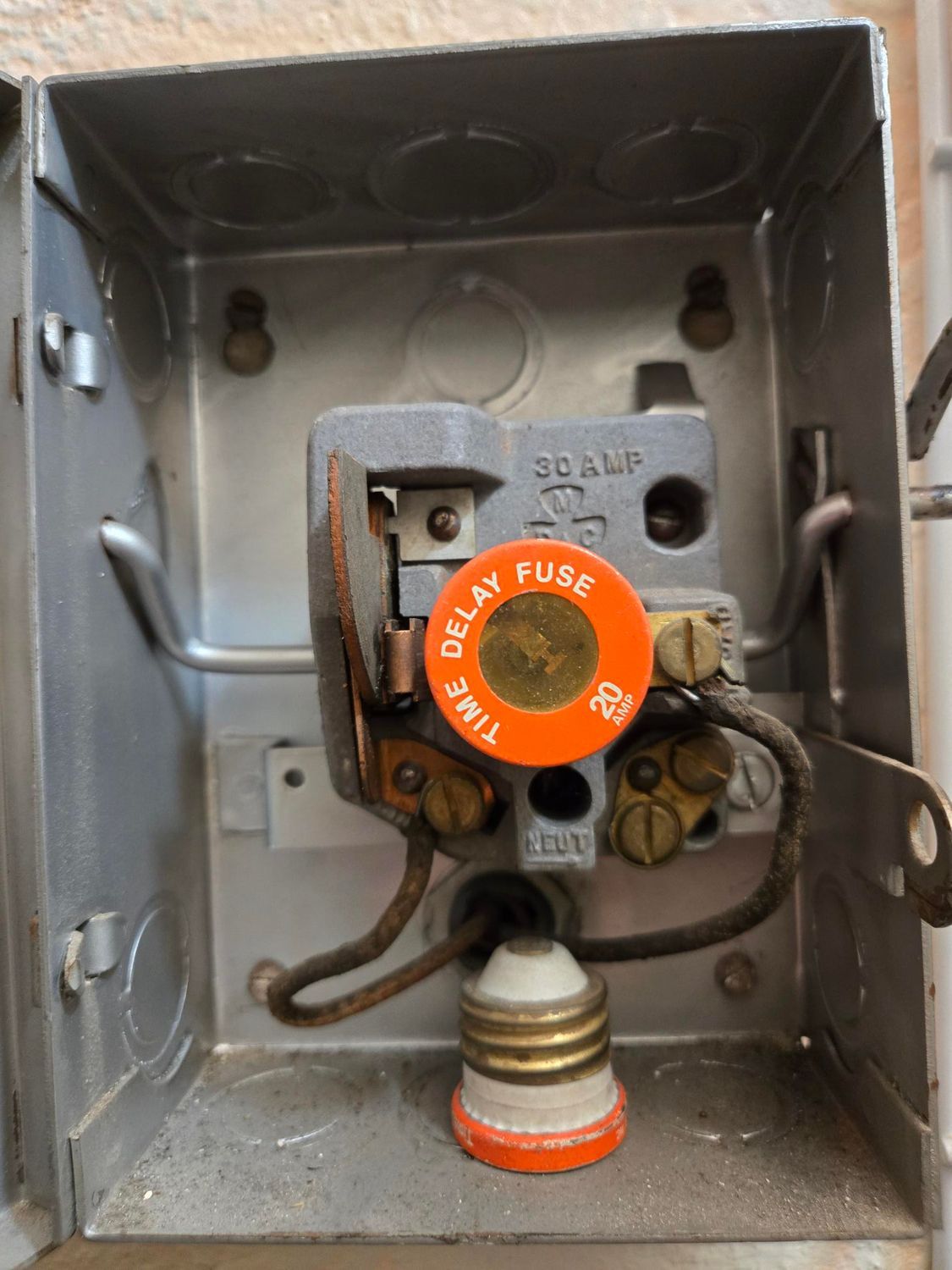
Older wiring methods may no longer meet code. If you’re remodeling or adding onto your home, new wiring must comply with current standards for insulation, load capacity, and placement.
Permits and Inspections
Most electrical work in New York requires permits and inspections. Even seemingly simple projects may need approval to ensure they meet code.
How Codes Affect Commercial Properties
For businesses, electrical codes are even more critical due to higher usage demands and public safety considerations.
Load Calculations and Capacity
Commercial buildings handle larger electrical loads. Codes dictate how systems are designed to prevent overloads and ensure efficient operation.
Emergency Systems
Exit lighting, emergency power systems, and fire alarms must meet strict requirements to protect employees and customers.
Equipment and Machinery
Specialized equipment often has unique electrical needs. Codes ensure proper installation and safe operation.
Accessibility and Compliance
Electrical systems must align with broader building regulations, including accessibility standards and workplace safety requirements.
The Impact of Code Updates
Because the NEC is updated every three years, electrical codes are constantly evolving. New requirements often reflect advances in technology and improved safety practices.
If your property hasn’t been updated in years, it may not meet current standards—even if it was compliant when originally built.
What Happens If You Don’t Comply?
Ignoring electrical codes can lead to serious consequences:
- Failed inspections and project delays
- Fines or penalties from local authorities
- Increased risk of electrical fires or system failures
- Voided insurance claims
- Liability in the event of injury or damage
Why Hiring a Licensed Electrician Matters
Navigating electrical codes can be complex, especially with state and local variations. A licensed electrician understands current requirements and ensures all work is done safely and legally.
They also handle permits, coordinate inspections, and help future-proof your system so it remains compliant as codes evolve.
Electrical codes play a vital role in protecting your home or business. While they may seem technical, their purpose is simple: to ensure safety, reliability, and peace of mind.
Whether you’re planning a renovation, upgrading your electrical panel, or even new construction, staying code-compliant isn’t optional; it’s essential. Working with Keating Electric ensures your property meets all requirements today while preparing for the demands of tomorrow.