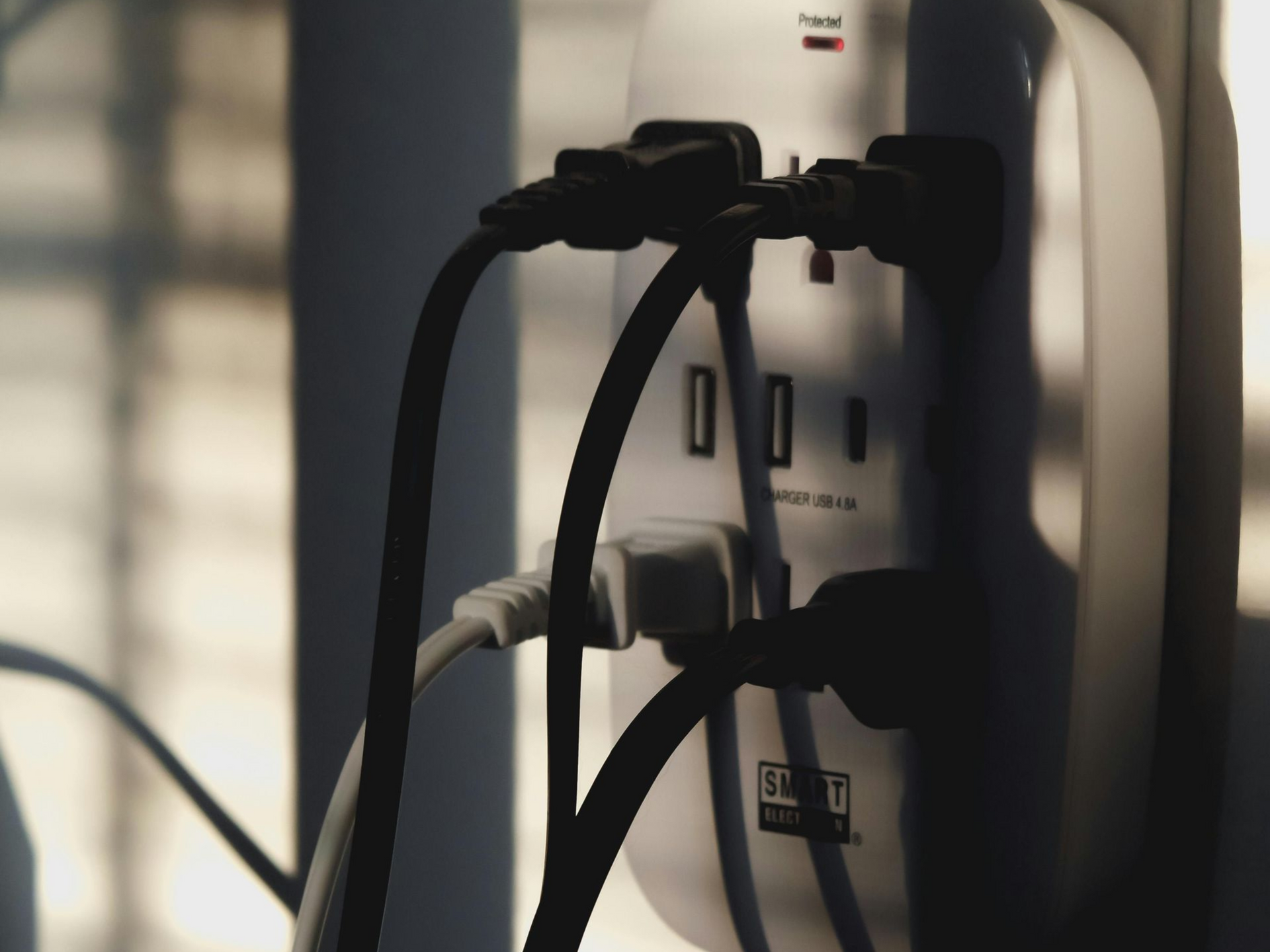
The Vital Role of GFCI in Home Safety

GFCI - Ground Fault Circuit Interrupt -  Home Electrical Safety - Keating Electric - Westchester NY

Understanding the Vital Role of GFCI in Home Safety


Given all the new electronics in today’s modern home, electrical safety is more important than ever.  Among the many safety measures available to homeowners, Ground Fault Circuit Interrupters (GFCIs) stand out as a crucial component in safeguarding your loved ones and your property. In this article, we'll delve into what GFCIs are and why they are a fundamental upgrade every homeowner should consider.


What is a GFCI?


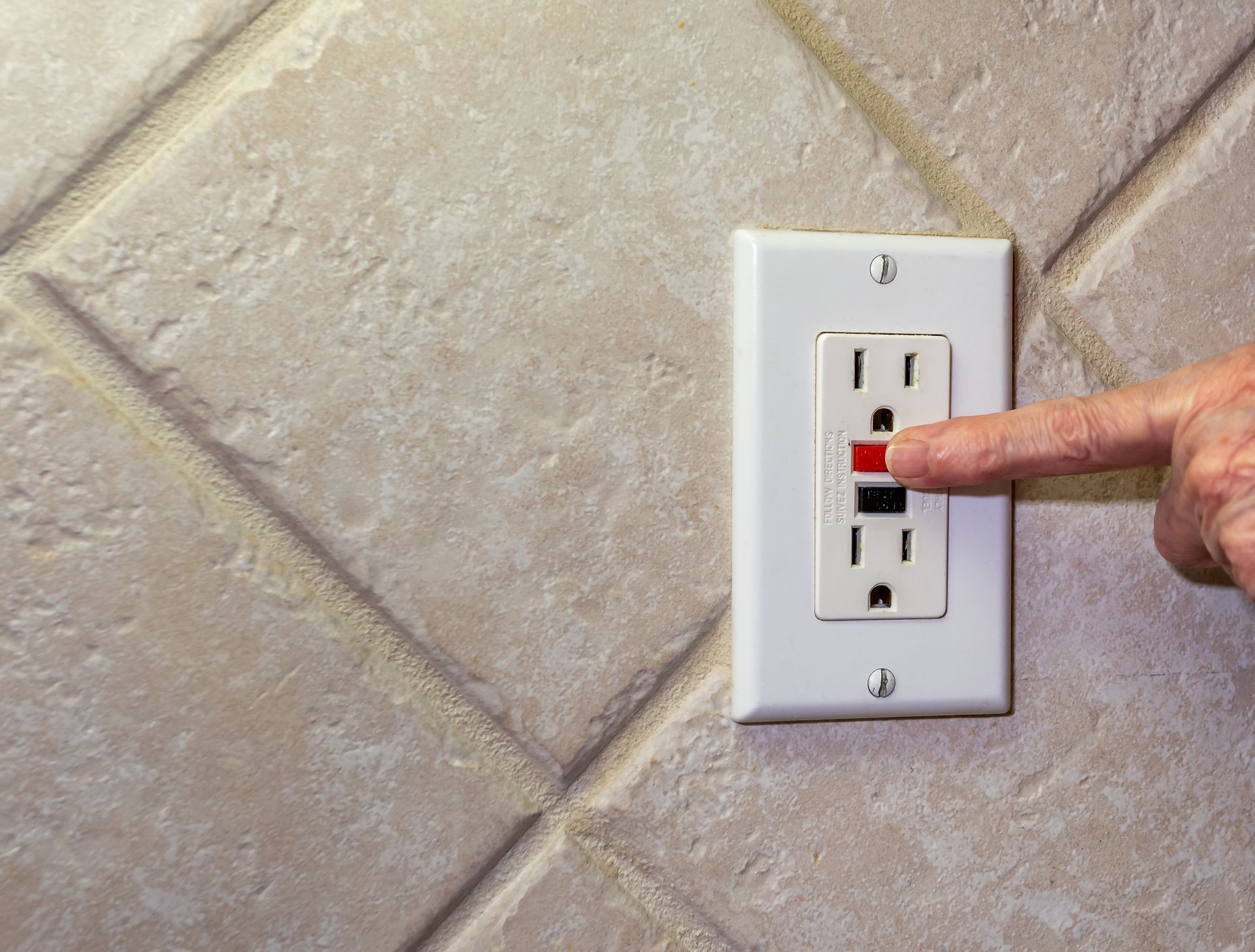
A GFCI, or Ground Fault Circuit Interrupter, is an electrical device designed to prevent electrical shocks and potential fire hazards. It does this by continuously monitoring the flow of electricity in a circuit. If the GFCI detects irregularities, such as a ground fault or a leakage of electrical current, it swiftly shuts off power to that circuit. These devices provide a greatly increased level of protection from shocks and electrocution. 


Why You Need GFCI Protection


  • Preventing Electric Shocks: GFCIs are primarily used to protect against electrical shock, which can be life-threatening. These shocks can occur when a person comes into contact with a faulty electrical device, exposed wires, or a wet environment. GFCIs are particularly crucial in areas where water and electricity are in close proximity, such as kitchens, bathrooms, and outdoor spaces. They act as a safety net, instantly cutting off power when a ground fault is detected, reducing the risk of electric shock.
  • Minimizing Fire Hazards: Beyond protecting against electric shocks, GFCIs also play a significant role in preventing electrical fires. When a ground fault occurs, it can lead to overheating of electrical components, which, in turn, can cause fires. GFCIs act as a first line of defense by detecting ground faults and interrupting the circuit before they escalate into dangerous situations.
  • Code Compliance: The electrical codes and regulations require the installation of GFCIs in many specific areas of your home, especially those near water sources. Because of the great increase in safety provided by these devices, the codes have been updated to require GFCIs in many more areas than had been before. Many homes built in the last ten or twenty years lack the protection that GFCIs can provide in many areas of the home. 


Where to Install GFCIs


So, where should you consider installing GFCIs in your home? Here are some key areas:


  • Bathrooms: GFCIs are required near sinks, bathtubs, and showers.-Kitchens: Any outlets near sinks or countertops must have GFCI protection.
  • Outdoor Spaces: This includes patios, decks, and any outdoor outlets. These areas are especially prone to exposure to water, moisture and electrical shock.
  • Garages and Basements: Because of their proximity to ground level and potential exposure to water, GFCIs are required in these areas.
  • Crawl Spaces: Even the lesser-used areas like crawl spaces should not be neglected, as they can be prone to moisture buildup.


In summary, GFCIs are indispensable electrical safety devices that protect against electrical shocks and fires. By investing in GFCI protection for your home, you not only enhance the safety of your living space but also comply with local building codes. To ensure that your GFCIs are installed correctly and in the right places, give Keating Electric a call and consult with one of our experienced, licensed electricians who can expertly guide you through the process. Remember, electrical safety begins with awareness and proactive measures, and GFCIs are a vital step towards achieving a secure and worry-free home environment.
Commercial vs. Residential Electrical Work | Keating Electric | Westchester Electricians
July 24, 2026
Learn how commercial electrical work differs from residential projects, including scale, codes, safety, materials, and coordination needs.
Is Your Home Ready for an EV Charger? - Keating Electric - Westchester NY
June 22, 2026
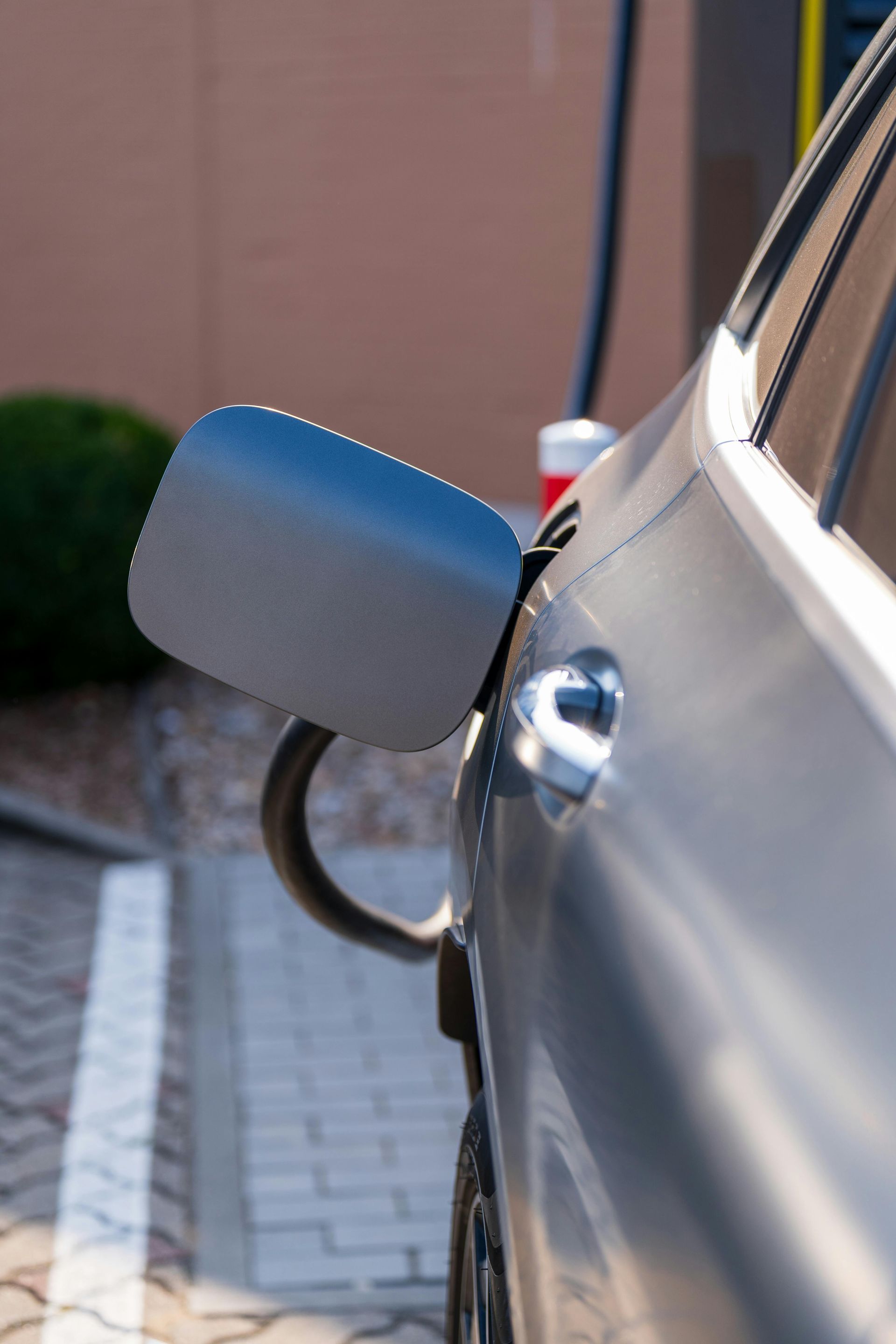
Electric vehicles (EVs) are becoming increasingly popular across Westchester County, and for good reason—lower fuel costs, reduced emissions, and convenient at-home charging. Here’s what homeowners in Westchester need to know before making the switch. Understanding EV Charger Types There are three main types of EV chargers, but most homeowners will utilize Level 1 or Level 2: Level 1 Chargers plug into a standard 120-volt outlet. They’re slow, typically adding 3–5 miles of range per hour. Level 2 Chargers use a 240-volt circuit (similar to a dryer or oven) and can add 20–60 miles of range per hour—making them the preferred option for home use. For most households, installing a Level 2 charger is the goal even if your electrical system isn’t ready to handle the additional load. Is Your Electrical Panel Up to the Task? Your home’s electrical panel is the heart of your electrical system. Older homes in Westchester were not designed with modern electrical needs in mind, however many have already been upgraded and are ready to handle the extra load. A professional electrician will evaluate: Panel capacity (amperage) : Most homes need at least 200 amps to comfortably support an EV charger along with existing loads. Available breaker space : You’ll need room for a dedicated circuit. Overall electrical load : Appliances, HVAC systems, and other high-demand devices all factor into whether your system can handle more. If your panel is outdated or maxed out, an upgrade may be necessary before level 2 EV charger installation. Do You Have the Right Wiring and Infrastructure? Beyond the panel, your home’s wiring must also support a Level 2 charger. Key considerations include: Distance from panel to charger location : Longer runs may require heavier gauge wiring. Garage vs. outdoor installation : Outdoor chargers require weatherproof equipment and proper mounting. Permits and code compliance : Local codes in Westchester County must be followed, including permits and inspection requirements. An experienced electrician ensures everything is installed safely and up to code, ensuring safety, convenience and increased home value. Smart Charging and Load Management Even If your panel is close to capacity, you may not need a full upgrade. Modern solutions like load management systems can: Automatically balance electricity usage Prevent overloads by adjusting charging speed Allow EV charging without major panel upgrades These systems are becoming a popular option for Westchester homeowners looking to save on upfront costs. Costs to Consider The cost of installing an EV charger can vary based on your home’s setup: Basic installation: $1000–$1,500 Panel upgrades: $4,000–$5,000+ Permits and inspections: Vary by municipality While this may seem like a significant investment, federal and New York State incentives may help offset costs. Why Professional Installation Matters EV chargers draw significant power, and improper installation can lead to: Electrical fires System overloads Code violations Voided warranties Hiring a licensed electrician ensures your system is safe, efficient, and compliant with all local regulations. Preparing Your Home for the Future Even if you don’t own an EV yet, preparing your home now can be a smart move—especially as electric vehicles become more common in Westchester County. Upgrading your panel or pre-wiring for a charger can increase your home’s value and make future installation easier. Installing an EV charger at home is one of the most convenient ways to support your transition to electric driving—but it starts with making sure your home is ready. A professional assessment can identify any upgrades needed and help you choose the right charging solution for your lifestyle.  If you’re considering an EV charger, consulting Keating Electric is the best first step toward a safe and efficient installation.
When Is It Time to Call a Licensed Electrician - Keating Electric - Westchester NY
May 18, 2026
Knowing when to call a licensed electrician in Westchester County, NY can help you avoid fire hazards, code violations, unexpected outages, and costly repairs.
When Should You Upgrade Your Electrical Panel - Keating Electric - Westchester NY
April 15, 2026
Knowing when it’s time to upgrade your electrical panel can help prevent safety hazards, power issues, and failed inspections. Here are some common signs to look for.
March 20, 2026
It is with heavy hearts that we share the passing of our colleague and friend, Brian W. Appelbergh Brian was more than an employee — he was a bright presence in our workplace, someone who brought dedication, kindness, and genuine care to everything he did. His impact on our team and our community will be felt for a long time. We are grateful for the time we had with him and for the many ways he made our days better. Our thoughts and deepest condolences go out to Brian’s family, friends, and loved ones during this difficult time. May we honor his memory by carrying forward the positivity and commitment he brought to us every day.
Signs Your Home’s Electrical System Isn’t Up to Westchester County Code - Keating Electric
March 7, 2026
Westchester County is home to many beautiful older houses — with outdated electrical systems, safety risks, and issues during inspection, renovation, or home sale.
Electrical Solutions to Common Winter Problems - Westchester NY
February 6, 2026
From snow-melting systems to heat trace cables, electrical solutions can solve some of winter’s most common problems and make life easier during the coldest months.
Top Electrical Resolutions for  a Safer, Smarter, and More Efficient Westchester Home in 2026
January 5, 2026
As we welcome 2026, it’s the perfect time to set resolutions that improve your home’s safety, efficiency, and value. While most people think of health or financial goals at the start of the year, electrical upgrades and maintenance are just as important for long-term peace of mind. Here are the top electrical resolutions every homeowner should consider for a safer and smarter home this year. Install Energy-Efficient Lighting Make the switch to LED lighting or smart bulbs throughout your home. LEDs use up to 75% less energy and last significantly longer than traditional incandescent bulbs—saving you money month after month. Schedule a Whole-Home Electrical Inspection Start the year with a comprehensive electrical inspection from Keating Electric. An inspection can catch outdated wiring, overloaded circuits, or code violations—preventing costly or dangerous problems later on. This is especially important for homes over 30 years old. Upgrade Your Electrical Panel If your home still has a fuse box or an older panel that’s constantly tripping breakers, 2026 is the year to upgrade. A modern electrical panel can handle today’s energy demands safely, especially if you're planning to add new appliances, a home EV charger, or heat pumps Add Smart Home Features Smart thermostats, lighting systems, outlets, and security devices aren’t just convenient, they can also increase energy efficiency and home value. Invest in Surge Protection With more electronics and appliances than ever, whole-home surge protection is a must. It guards your devices from power surges caused by storms, outages, or utility issues—offering protection beyond a basic power strip. Replace Damaged Outlets and Switches If you’ve noticed discolored, loose, or non-working outlets or switches, don’t put off fixing them. These are signs of wear, poor connections, or potential fire hazards. Replace them with modern, tamper-resistant options for added safety. Consider a Backup Generator Power outages are becoming more common due to storms and aging infrastructure. A standby generator can keep your essential systems running—like heating, refrigeration, and medical equipment—when the grid goes down. Childproof Your Electrical System If you’re expecting a new baby or have young children at home, make 2026 the year you childproof your electrical system. Install safety caps on your outlets or have a licensed electrician install tamper-resistant outlets. It’s also important to secure cords and make sure outlets near water sources are GFCI-protected. Plan for EV Charging at Home Thinking of buying an electric vehicle in 2026? Start planning now. A licensed electrician can install a Level 2 home charging station, so you’re ready for faster, more convenient charging right from your garage or driveway. Stay On Top of Regular Maintenance Set a reminder to check smoke detectors, carbon monoxide alarms, and GFCI outlets monthly. Replace batteries annually and test functionality to ensure your home’s early-warning systems are always ready. Start the Year Strong with a Trusted Electrical Partner Make your 2026 resolutions count by partnering with experienced, licensed electricians. Whether you’re modernizing your home, boosting efficiency, or improving safety, Keating Electric can help you plan and execute your goals with confidence. Need help getting started? Contact us today to schedule a home electrical evaluation or discuss your 2026 upgrade plans.
Electrical Safety at Home - Keating Electric - Westchester NY
December 10, 2025
Electricity is an essential part of daily life, but it also comes with safety risks when not handled properly. Here’s what you should know to keep your household safe.
Signs Your Business Needs an Electrical Upgrade - Keating Electric - Westchester NY
November 11, 2025
Outdated or undersized electrical infrastructure can quickly become a liability for a business. An overloaded electrical system can pose serious safety risks.